LATEST ARTICLES

Remember You Must Live: Finding Purpose and Presence Amid Tragedy

Texas’ Terrible Tragedy Provides a Reminder:
This blog has one message and it’s a rerun. “Momento Mori” means “remember you must die” or “remember your mortality”. It’s a reminder of the inevitability of death and the brevity of life. I talked about this in a past blog post and have a necklace around my neck that reminds to live each day fully because it could be my last. There are days I succeed and there are many I don’t, but after what happened in Texas recently and what is still happening, I hope there are many more times I succeed at making each one a reflection of my values or priorities. I hope I worry less about the past or future and focus my attention on making the present the best it can be for me and the others around me. There are many different philosophies that have similar thoughts on living in the present or for the moment.
While reflecting on the situation in Texas my thoughts are with all the people affected. I decided to see if there are other ideas out there that would help me be better at living in the moment so here is what I have found:
What I Learned About Living in the Present: 5 Philosophical Perspectives That Changed My Understanding
After diving deep into philosophical traditions from around the world, I’ve discovered five profound perspectives on living in the moment that will help me completely shifted how I think about present-moment awareness. Each one offers something unique, and I want to share what I’ve learned with you.
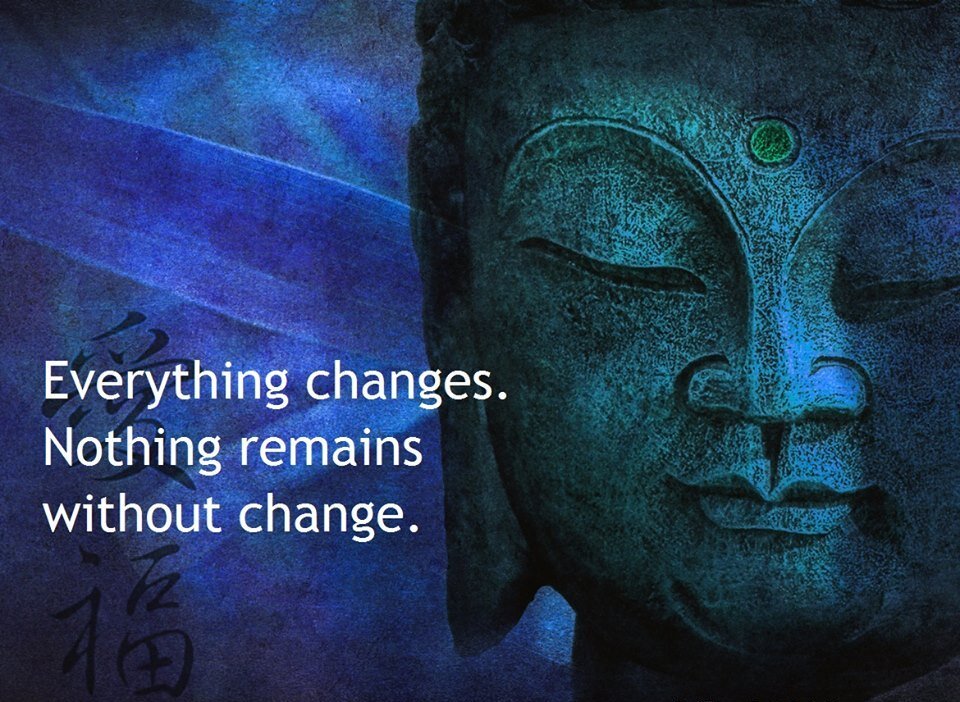
1. Buddhist Philosophy – The Art of Mindful Impermanence
When I first encountered Buddhist teachings on mindfulness , I was struck by how practical they were. I learned that mindfulness isn’t just about meditation—it’s about maintaining moment-to-moment awareness of my thoughts, feelings, and surroundings without constantly judging them. What really hit me was the concept of impermanence. Understanding that everything is constantly changing made me realize that the present moment is literally the only reality I can actually experience.
Through my research, I discovered that Buddhist philosophy suggests most of our suffering comes from either clinging to the past or worrying about the future. The liberation I’ve been seeking? It’s right here in fully inhabiting this present moment with clear awareness and acceptance.
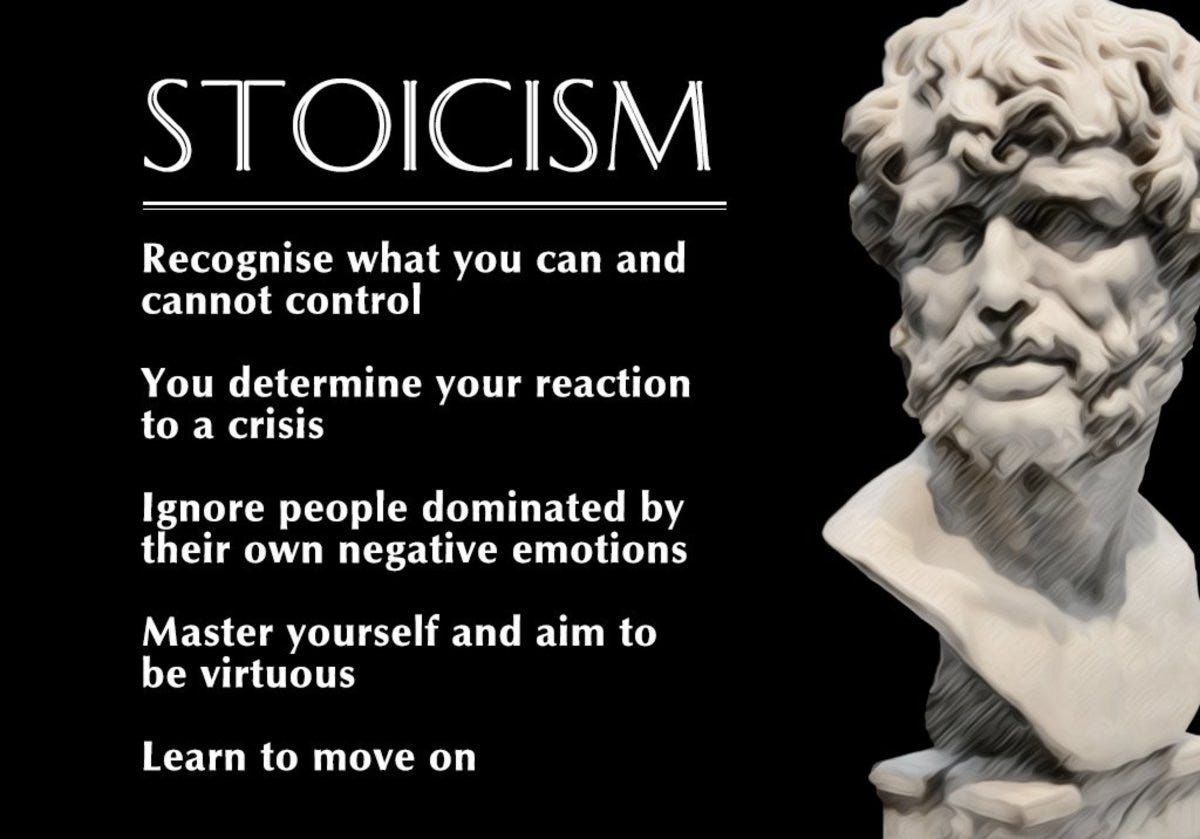
2. Stoic Philosophy – Taking Control of What’s Actually Mine
Reading Marcus Aurelius and Epictetus opened my eyes to something powerful: the present moment is the only time when I can actually exercise my rational will and virtue. I used to waste so much mental energy on things that already happened or might happen, but the Stoics taught me that I only have control over my responses and choices right now.
What I found most practical about Stoic philosophy is their approach to accepting what’s happening in the present while focusing all my energy on how I respond. Instead of being disturbed by things beyond my control, I’ve learned to channel that energy into the choices I’m making in this very moment.
3. Existentialist Philosophy – Creating Meaning Through Present Choices
Jean-Paul Sartre and Martin Heidegger introduced me to a perspective that was both liberating and terrifying: I am constantly creating who I am through my present-moment choices. Heidegger’s concept of “Being-in-the-world” showed me that meaning doesn’t come from abstract thinking but from my immediate, lived experience.
What fascinated me most was Sartre’s idea that we are “condemned to be free” in each moment. This means that right now, in this present moment, I’m creating my essence through my choices and actions. There’s no predetermined path—just the continuous creation of myself through how I engage with the present.
4. Zen Philosophy – The Power of Just Being
My exploration of Zen Buddhism, particularly through Dogen’s teachings, revealed something beautifully simple yet profound. The practice of zazen (seated meditation) isn’t about achieving some future state of enlightenment—it’s about complete absorption in present-moment activity without constantly seeking goals or analyzing everything.
What I learned from Zen is that enlightenment isn’t something I need to attain later. It’s the natural state that reveals itself when I stop all the mental commentary and simply “be” in the present. The concept of “just sitting” has taught me that whatever I’m doing—whether it’s writing, cooking, or walking—can become a form of meditation when I do it with complete present-moment awareness.
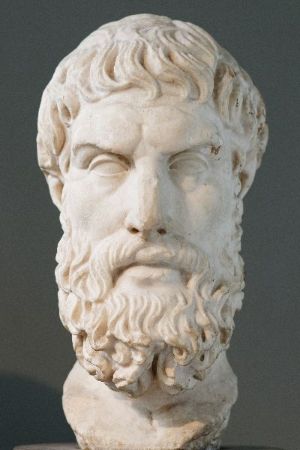
5. Epicurean Philosophy – Finding Contentment in Simple Pleasures
Epicurus taught me something I hadn’t expected: true pleasure isn’t about indulgence but about present-moment contentment and tranquility (ataraxia). I discovered that Epicurean philosophy isn’t hedonistic at all—it’s about appreciating simple, natural pleasures while avoiding the anxiety that comes from dwelling on past regrets or future fears.
What I’ve learned to practice is achieving a state of tranquil satisfaction in the present moment through wise choices and moderate desires. Instead of constantly seeking more or better, I’ve found deeper satisfaction in fully appreciating what’s available to me right now.
What These Philosophies Have Taught Me
After researching these diverse traditions, I’ve noticed some fascinating convergences. They all recognize that the present is the only moment I can truly influence. They’ve all shown me that mental suffering often comes from what they call “temporal displacement”—living too much in the past or future. Most importantly, they’ve all demonstrated that deeper satisfaction and wisdom emerge from fuller engagement with immediate experience rather than constant mental projection.
Each tradition offers practical approaches I can use daily. Buddhist mindfulness meditation helps me stay aware without judgment. Stoic reflection exercises teach me to focus on what I can control. Zen’s direct pointing at present-moment reality cuts through mental clutter. Epicurean contentment practices help me appreciate simple pleasures. Existentialist awareness reminds me that I’m constantly creating myself through my present choices.
What strikes me most is that living in the moment isn’t just a philosophical concept—it’s a cultivable practice that spans cultures and centuries. These wisdom traditions have given me both the understanding and the tools to engage more fully with the only time that truly exists: right now.
Here is a link to many quotes that may help with motivation.
It’s sad that it takes a tragic event like the floods in Texas, the horrifying pictures and videos, loss of life to help me understand how many hours and days I waste on trivial matters. Saying no when I know I should say yes. As many Texans have learned or let’s be honest, we all have learned from the Texas disaster life can be snatched away from us at any moment so enjoy as many of them as possible.



3523 Octavia Street New Orleans,
LA 70125
504-766-6058
abc@gmail.com